
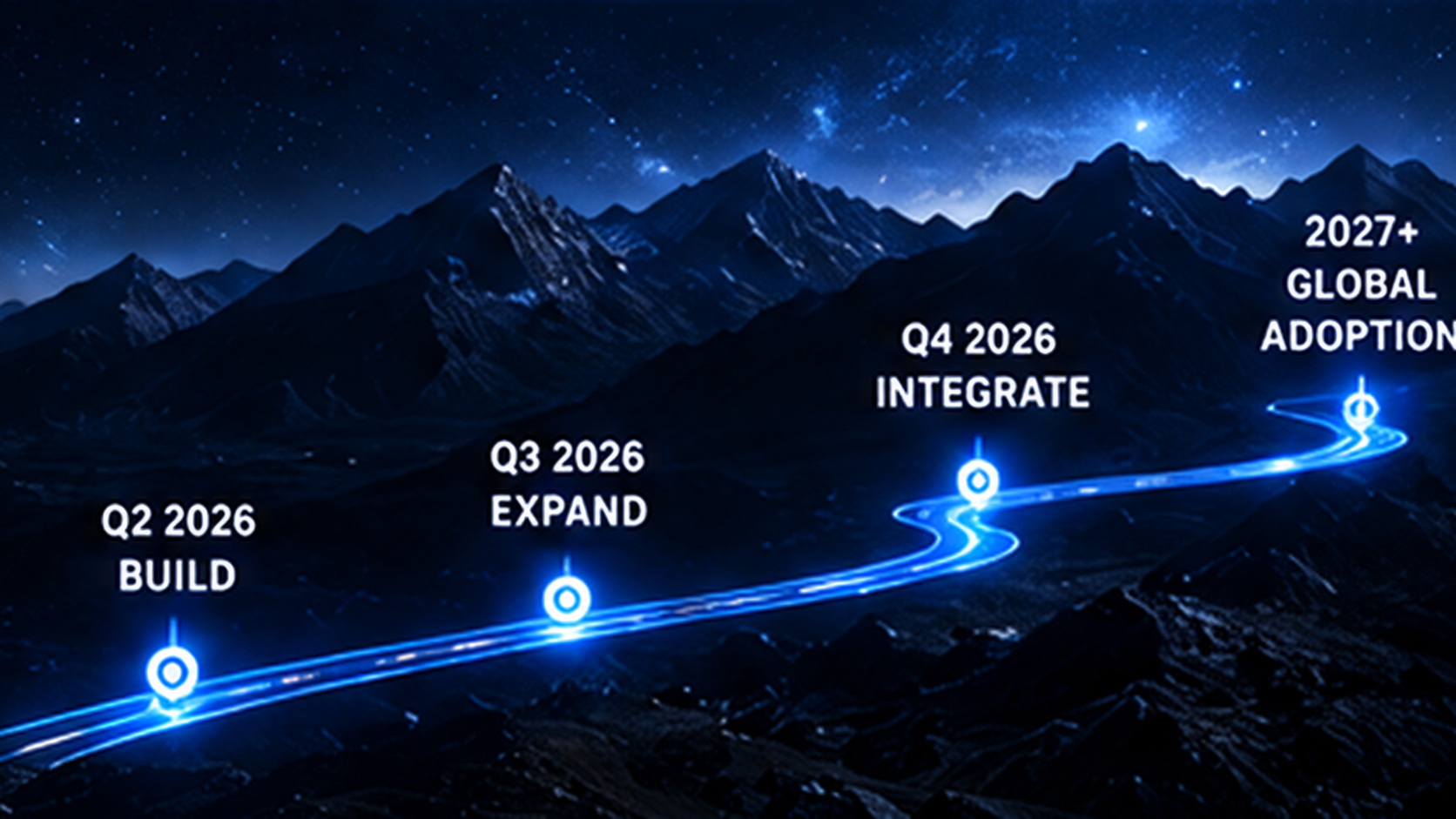
Phase one: foundation
Early-stage blockchain projects generally begin with core infrastructure, branding, community growth, token distribution and initial technical setup. For SPX26B, users should look for clear documentation showing what is already live and what remains in development.
Phase two: product delivery
The next meaningful step is turning concepts into usable products. That may include dashboards, staking interfaces, AI-driven tools or other services described by the project. Public demos and production releases are stronger evidence than announcements alone.
Phase three: integrations and expansion
As a project matures, partnerships, wallet integrations, broader network support and additional ecosystem features can expand usability. The quality of each integration matters more than the number of logos shown on a partner page.
How to measure roadmap progress
Look for release notes, repository activity, audited contracts, product launches, verifiable integrations and updated documentation. Milestones should be specific enough that users can tell whether they were actually completed.
Roadmaps can change
Technology projects often revise timelines due to engineering, legal, security or market constraints. A changed date is not automatically a problem, but transparent communication and evidence of continued development are important.
Explore SPX26B
Visit the main SPX26B website for the latest official project information, current availability and ecosystem updates.
Visit SPX26B →